Classic+ before BlizzCon: what Blizzard is actually hinting at and what the game could become
Classic+ has not been announced, but Blizzard is building a major project in the original Azeroth design space. We separate confirmed facts, Camelot findings and the most plausible design.
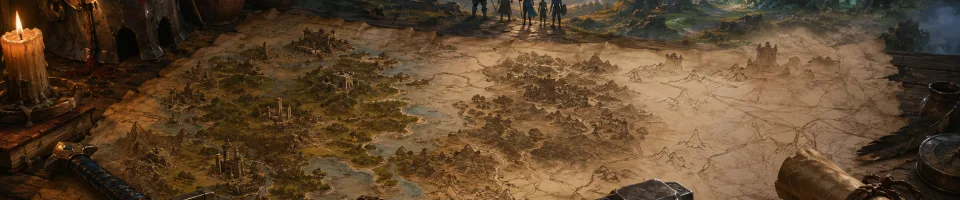
Classic+ could be a genuinely new Azeroth or merely the next experimental Classic season. Blizzard has not used that name for a product and has not confirmed what Project Camelot contains. The subject is no longer based on wishful thinking alone, however: the company says it moved onto a major project in the original WoW design space, Classic developers have described seasons as effective Classic+ experiments, and technical findings in 2026 point to a separate 1.60 branch.
The important question is therefore not only whether something is coming. It is what Blizzard could build that would still feel like the Azeroth of 2004 instead of Retail wearing an old visual skin.
First, the essential disclaimer: Classic+ is not confirmed
Classic+ is the community name for an idea in which the original level 1–60 Azeroth receives new content without automatically moving through the Dark Portal. There is no agreed definition. Some players mean new raids and dungeons with almost no class changes. Others want viable neglected specializations, new zones, professions and PvP. A third group points to Old School RuneScape: an old game branching into its own continuously developed world.
Blizzard has confirmed neither the name nor a release date, price, level cap, races, transfers or whether its next project is permanent. The Camelot codename does not prove Classic+ either. Nearly every supposed leaked feature list currently circulating lacks a verifiable origin.
Blizzard's strongest clue predates Camelot
When Season of Discovery development began winding down in May 2025, the Classic team said it was starting work on its next major project in the original WoW design space. It described big ambitions for “found photographs” content set in original Azeroth and said it would shape lessons from Season of Discovery into something exciting for the long-term future of WoW Classic.
That wording rules out the claim that Blizzard is doing nothing new with old Azeroth. It does not tell us whether the result is permanent Classic+, another season or a third type of game.
At BlizzCon 2023, Classic designer Tim Jones told PC Gamer that the team was already making things in seasons that were effectively Classic+. The developers wanted to learn whether popular experiments might eventually find a permanent home. The team was also expanding from generalists toward specialists in dungeon encounters, raids and rewards. That matters because genuinely new content requires more than enabling old data.
Holly Longdale later described Season of Discovery as dipping a toe in the water. Building a whole new zone or alternate timeline would be a much larger conversation, she said. It was not a promise, but it showed that Blizzard understood Classic+ to mean more than a handful of rune abilities.
Season of Discovery was a prototype and a warning
Season of Discovery proved the old foundation could support meaningful new work: phased level caps, runes, healing mages and tanking warlocks, rebuilt leveling raids, world events, profession additions and new content inside original Azeroth. Later phases turned Karazhan Crypts into a five-player dungeon, opened New Avalon and ended with the new Scarlet Enclave raid.
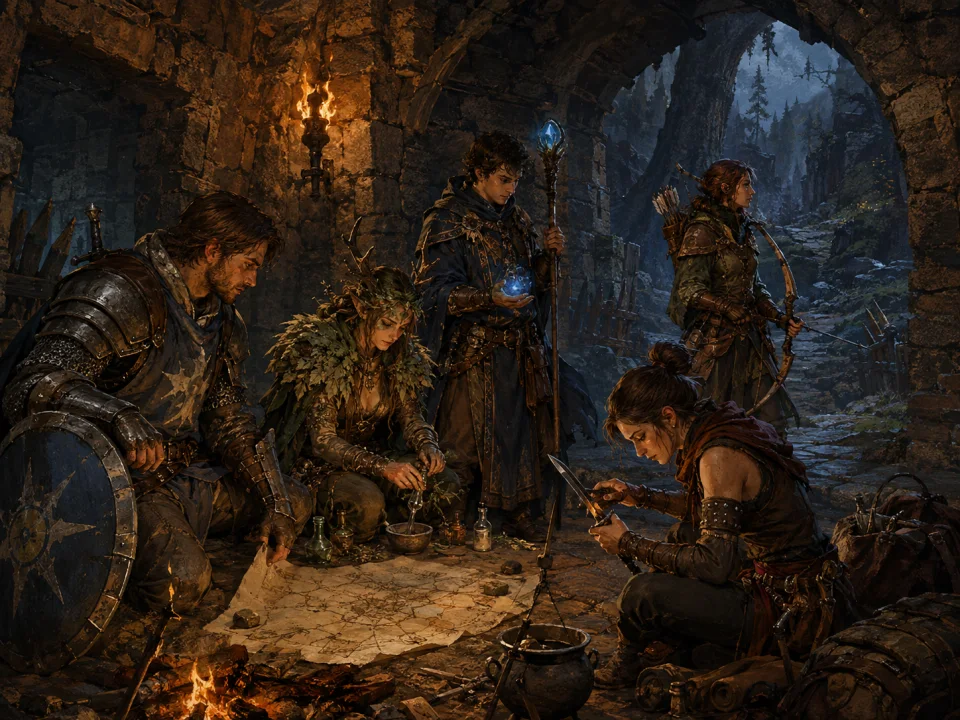
It also exposed the risks. Too many runes increased system load, player power moved far beyond Vanilla, PvP suffered from raid-oriented balance and highly efficient repeatable activities could empty the leveling world. A seasonal character also carries an investment problem: if its world eventually enters maintenance, long-term progress feels temporary.
A plausible Classic+ would therefore not copy Season of Discovery wholesale. It would retain its willingness to experiment while reducing power creep, mechanical clutter and uncertainty about a character's future.
Project Camelot is compelling but limited evidence
In June 2026, dataminer Stiven reported Heroic and Epic licenses for World of Warcraft Camelot in Blizzard's systems. The project was connected to a separate 1.60 branch rather than Midnight's mainline version. A later report that it moved from a development environment to a vendor server was interpreted as preparation for external hardware, driver or partner testing.
This probably points to a real and substantial WoW product. Heroic and Epic licenses fit paid editions or preorder benefits, while 1.60 fits a Classic foundation. None of it reveals the content. Camelot could be Classic+, a Classic remaster, a new seasonal platform or another technically separate WoW release. A codename is not evidence of an Arthurian storyline.
Late-August Gear Store CSS findings and circulating “WoW 2” labels are weaker still. A storefront class name can change for marketing, testing or concealment. It cannot support a feature list.
The secret creator visit supports the timing, not the contents
In May 2026, Classic-focused creators including Xaryu, Esfand, Guzu, Savix and Sodapoppin visited Blizzard's Irvine campus and were unable to disclose the purpose. The selection is notable because a straightforward rerelease of an old expansion would not normally require such a targeted preview.
The meeting could have been an early test, feedback session, interview day or campaign preparation. No outside source has confirmed that attendees played Classic+. It is a timing signal, not a content leak.
Why BlizzCon 2026 is a plausible reveal venue
BlizzCon's official schedule contains two separate World of Warcraft: What's Next broadcasts on Saturday, followed by a nearly two-hour World of Warcraft Developers x Creators Showcase. World of Warcraft: Deep Dive follows on Sunday. None of those names mentions Classic or Camelot.
Two What's Next segments are unusual, and the creator showcase would fit a product that creators may already have previewed. The second segment could just as easily concern The Last Titan, Midnight's future or another WoW project. Only an announcement on stage can settle that.
The key Finnish viewing times are the Opening Ceremony at 20:30 EEST on Saturday, September 12, the first What's Next at 22:00, What's Next II at 00:45 on Sunday and the creator showcase at 01:30. The Deep Dive starts at 20:00 on Sunday.
The most plausible model: a persistent fork of Azeroth
Placed side by side, the official statements, SoD experiments and Camelot findings most strongly support a fresh start on original Azeroth followed by a separate content path. The level cap could remain 60 for at least the first arc. New quests, dungeons, raids, world bosses and profession recipes could arrive without turning the old world into a corridor leading to Outland.
This is an editorial assessment, not a leaked plan. Four signals support it:
- Blizzard places its next project in the original WoW design space.
- The team wants to apply SoD lessons to Classic's long-term future.
- A 1.60 branch points toward an old client and content foundation.
- Heroic and Epic licenses suggest something larger than a routine seasonal patch.
The second-most likely option is a more disciplined successor to Season of Discovery. It would be a safer way to test major class and world changes before creating a permanent service. A Classic remaster is another possibility: old content on a newer client with graphical work and paid extras. That explains the licenses more readily than the years of discussion about new content.
What would a good Classic+ actually look like?
The world would grow inward, not through another portal
Vanilla Azeroth contains spaces and stories left open by design or production limits: Karazhan and its crypts, Hyjal, Emerald Dream portals and quest chains that simply stop. Original level designer John Staats has discussed the large amount of unused space built around Karazhan. SoD showed through Karazhan Crypts and Scarlet Enclave that old clues can become new content without directly copying later expansions.
A good implementation would not publish every alleged piece of cut content as a museum exhibit. Twenty-year-old sketches are not finished zones. The better principle is to complete Azeroth's empty corners using the original world's scale, travel and environmental storytelling.
Classes would gain viability, not perfect symmetry
Protection Paladin, Balance Druid and other weak Vanilla builds need help if new endgame content is meant to support varied rosters. The lesson from SoD is not to hand every class a later expansion's full toolkit. Classes should retain weaknesses and reasons to cooperate.
A sustainable approach would repair key talents, mana problems and missing role tools with a small number of new abilities. Class quests could unlock them in the world instead of players collecting dozens of detached runes. In the self-selected Classic+ Project survey, 71.5% of more than 24,000 respondents wanted additional class quests. It is not representative of every subscriber, but the direction fits Classic's identity.
New raids should not invalidate the old endgame
New raids are the common core of Classic+ wishlists, but a simple item-level ladder would start the same cycle that makes every earlier tier obsolete. Horizontal progression could offer alternative set bonuses, resistance equipment, class-specific items and profession upgrades without making every new drop universally better.
Perfectly horizontal progression is difficult in WoW because defeating a raid boss should feel empowering. A likely compromise is slower power growth and items that are best for particular jobs. Molten Core, Blackwing Lair, Ahn'Qiraj and Naxxramas could then remain part of preparation.
The community survey found near-universal support for new raids, but raid size divided respondents. Its most popular compromise was a 20-player baseline with room to bring more. Blizzard must decide whether organizing 40 players is an essential social structure or an obstacle for active guilds.
Dungeons, professions and the open world would prevent raid logging
Classic does not feel alive if every addition waits behind a raid portal. New leveling dungeons, harder level-60 variants, world bosses, long quest chains and valuable profession recipes would keep people in the world. In the survey, 65.6% of more than 31,000 respondents supported Heroic dungeons, but that label need not mean importing Retail's timed Mythic+ model.
A dungeon should remain a destination players travel to, learn and assemble a group for through communication. A manual group finder can reduce chat spam. Automatic teleporting and anonymous cross-realm groups would alter the social structure much more deeply.
The boundaries of change should be agreed before the first patch
The community broadly agrees on wanting new content, not on a full systems list. More than 80% of survey respondents opposed flying. New classes split respondents almost evenly. Transmog, modern graphics, world buffs, Dungeon Finder, races and raid sizes each draw a different boundary around what “Classic” means.
Blizzard could borrow Old School RuneScape's process rather than its design. Jagex publishes proposals, gathers feedback and submits major features to in-game votes with a 70% approval threshold. WoW does not need a veto on every tuning number, but a clear Classic+ charter could define permanent boundaries: level cap, access costs, monetization, server lifecycle, transfers and which conveniences remain outside the game.
The largest risks are not about raid quality
Server lifecycle: Players will not invest for years if their characters' future remains unknown. Blizzard should say from day one whether the world is permanent and where seasonal characters can continue.
Economic integrity: Bots, RMT and GDKP can define a fresh realm before its first raid opens. A new version needs enforcement and economic rules at launch.
Content cadence: An original zone requires more art, quests and testing than retuning an existing raid. A long drought would undermine a persistent world's credibility.
Too much efficiency: If leveling is sped up until it becomes an afterthought, every route is solved before launch and groups teleport straight to their destination, Classic+ is reduced to little more than old graphics.
Too much purity: If weak classes, needless friction and well-known exploits cannot be corrected, the new content inherits the old game's failures as well as its strengths.
What can we conclude today?
Blizzard is confirmed to be building a major project in the original WoW design space. Season of Discovery was a deliberate learning environment, and developers discussed giving successful ideas a permanent home. Camelot, version 1.60, commercial licenses and an NDA-bound creator visit make a substantial reveal plausible, but they do not reveal the project's name or features.
If this is Classic+, its strongest form would be neither unchanged Vanilla nor Retail in an old shell. It would be a persistent, slowly expanding Azeroth in which the world remains the main character, classes need one another and new content gives players reasons to cross old zones. BlizzCon 2026 may finally give that project a name. Until then, the honest conclusion remains: there is evidence of a project, but Classic+ is still an interpretation.
Sources and limits of the evidence
Classic+ has not been announced. This article separates Blizzard-confirmed facts, externally reported technical findings and editorial analysis. Information checked on September 4, 2026.

BlizzCon 2026 · 12.9.2026
World of Warcraft: Forever · Azeroth finally gets a fresh start
The wait for Classic+ has a name. Forever brings new places, stories and class changes to original Azeroth. Here is the announcement, the schedule and what remains unanswered.
News · 11.9.2026
World of Warcraft: Eternal · the Classic+ rumor, its origins and its credibility
The Eternal rumor promises a fresh start in a familiar Azeroth. We trace its origins and examine what Blizzard's own Classic statements actually support.
BlizzCon 2026 · 15.9.2026
WoW developer Q&A this Thursday: where to watch and submit questions
Still have a question after BlizzCon? The WoW developer Q&A starts Thursday at 17:00 UTC. Find the official streams and our editorial question suggestions.