WoW Forever lore: an Azeroth with an unwritten future
A journey through an Azeroth recovering from war: the Forsaken’s new lives, Hyjal’s wounds, Dalaran’s mysteries and the divided future of the Skyborne.
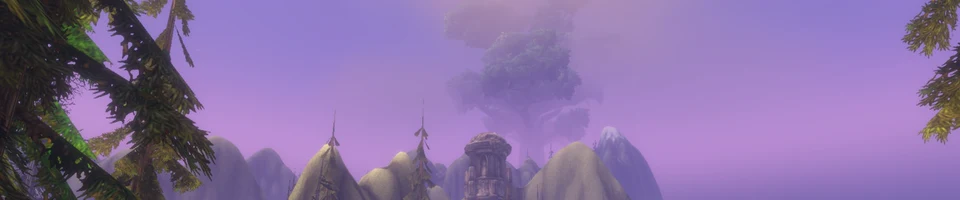
Some places in Azeroth feel familiar before we have ever stepped through their gates. A mountain beyond the forest. A city whose name survives in stories of war. A closed road that must once have led to somebody’s home. World of Warcraft: Forever takes that feeling and asks what kinds of lives have been unfolding at the edges of the map we know.
Its lore becomes particularly interesting when the new regions are considered together. In Lordaeron, people are trying to build a community after death. In Hyjal, the consequences of victory remain part of the landscape. Ancient elves seek safety in powers they may ultimately be unable to rely on. A single question connects them: what happens to a world after its great battle is over?
This article travels through Warcraft’s history into Forever’s new stories. Along the way, official images and four related videos accompany the journey. The connections we draw between these stories are editorial interpretation; confirmed premises are linked to their sources.
Spoiler level: this article discusses major Warcraft III events, the premise of Forsaken Kingdom and the starting situations of Forever’s announced regions. It does not reveal campaign endings or unverified beta plots. Information was checked on October 11, 2026.
1. Where does Forever sit in time?
Understanding Forever begins with a boundary in time. Blizzard places it in the opening era of the original WoW, after Forsaken Kingdom and before Molten Core. It exists alongside modern WoW and Classic. For the people living in this Azeroth, the events of later expansions remain an unknown future. Blizzard’s BlizzCon round-up.
Three layers of history are useful to keep in mind:
- The distant past: ancient elven cultures and their dispersal form the foundations of stories such as Eldre’Thalas.
- The recent past: Warcraft III’s war has transformed kingdoms and individual lives. Forsaken Kingdom explores the transition towards the world of WoW.
- Forever’s present: familiar Azeroth opens in new directions. The details of its future stories cannot simply be inferred from modern WoW.
In an Inven interview, developer Ana Resendes described Forever as a distinct direction growing out of the world of 2004. Established events are respected, while the history of later expansions need not be repeated exactly. She also said the Skyborne had been created specifically for Forever at this point; their appearance elsewhere was not promised. Inven’s original interview.
That changes how familiar characters can be read. An experienced player carries years of knowledge about where someone ended up in another version of WoW. A character in Forever has no such knowledge. They encounter a local leader, a suspicious stranger or a ruined city through the situation in front of them. Knowing somebody else’s future does not solve their immediate problems.
In Windows Central’s interview, the developers discussed adjacent continuities with a shared starting point. They also put limits on that idea: preventing Arthas from becoming the Lich King, for example, was not the intention. That gives us a useful sense of scale. There is room for Forever’s stories, with Warcraft’s major historical foundations beneath them. Windows Central’s developer interview.

World of Warcraft
Watch: World of Warcraft: Forever – What’s Next Panel. Blizzard’s official presentation offers an overview of the expanded world. It also covers game systems, making it a useful general introduction alongside this article.
2. The war ends. The world remains.
Only a few landmarks from Warcraft III are needed for this journey. The fall of Lordaeron, the undead Scourge and the Burning Legion’s invasion reshaped Azeroth’s balance of power. In Kalimdor, the forces led by Thrall, Jaina, Tyrande and Malfurion united to defend Hyjal. Unleashing Nordrassil’s power defeated Archimonde. The original WoW manual, history appendix.
A fantasy story often ends at the moment its great enemy falls. For someone who actually lives in that world, this is only one turning point. Their village still needs food. A guard needs to know whose orders to follow. The sight of a former ally’s banner at the border might inspire gratitude, fear or both. Even after the war, someone has to decide who may cross the bridge.
Seen from this perspective, Forever’s local stories can carry considerable weight. Their scale need not be measured by the size of an enemy. The disappearance of one family might end an entire village’s history. Opening an old temple might force its neighbours to reconsider their beliefs. An apparently small task can reveal the price of keeping the peace.
Blizzard describes its approach through the idea of found photographs. Developed from a metaphor used by Chris Metzen, the principle looks for places, people and local mysteries that belong in the familiar world. An entire story may have existed just outside the frame. Found Photos panel recap.
It is an effective metaphor because a photograph always shows only part of its surroundings. We can see a road without knowing who usually travels it. We can see a building without knowing its inhabitants’ quarrels. Forever’s most intriguing promise is the chance to step inside that landscape and discover how little we really knew about it.
3. Lordaeron: coming home after death
For the Forsaken, life after war is a difficult concept in the most literal sense. Their story carries both the memory of human life and the reality of an undead body. Lordaeron is therefore an unusually powerful starting place. The homeland still exists, but both the person returning and the community awaiting them have changed.
An important distinction underlies this story: the Forsaken have escaped the Lich King’s control. Under Sylvanas, they established their own power beneath Lordaeron’s ruins. The Scourge and the Forsaken therefore do not mean the same group, although both include undead. The freedom to determine their own actions is central to the Forsaken’s existence. The original WoW manual.
Forsaken Kingdom approaches this transition from two directions. Its Last Days of Lordaeron prologue views Arthas’s return through the eyes of the capital’s guards. The main campaign follows Garek Bandarion, a newly risen Forsaken warrior, and Dark Ranger Anya. Through them, it explores the founding of Undercity and the formation of a Forsaken community. Blizzard’s campaign presentation.
The campaign fills in the four-year interval between Warcraft III and WoW. Its familiar figures include Sylvanas, Putress and Varimathras, as well as Sally Whitemane and Renault Mograine from the Scarlet Crusade’s history. Around those names, attention also turns to how the community established itself and why the Scourge did not reclaim Lordaeron. Blizzard’s announced characters and questions.
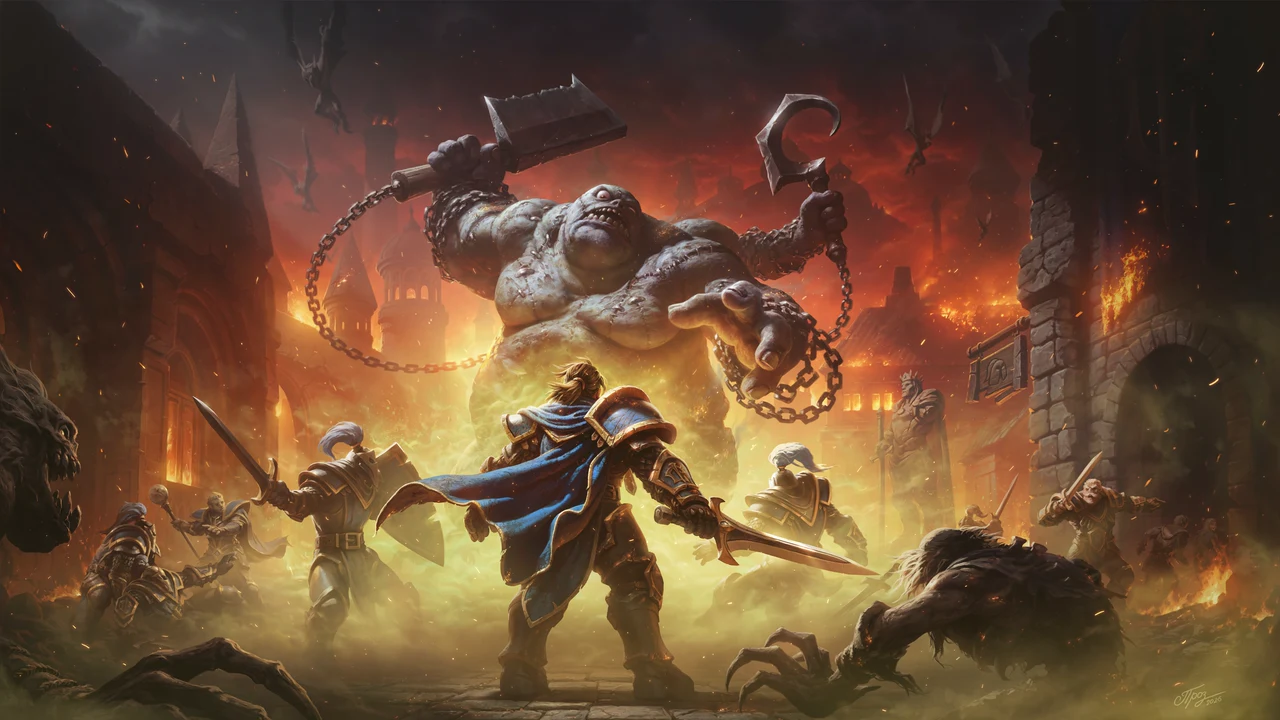
The guard’s perspective carries a particular kind of tragedy. The player knows what the name Arthas means. The soldier at the gate still inhabits a moment in which their watch might seem ordinary. A change of viewpoint gives history a human face: a kingdom falls around people who never get to decide its fate.
Garek and Anya also offer a way to examine the Forsaken from within. When a community is shown only through an enemy’s eyes, its threatening appearance can become all we see. Building a home brings more ordinary needs into view: trust, shared work, memory and somewhere to return to.
Blizzard’s Deep Dive describes the main campaign as an RPG-like, partly open adventure drawing on the structure of Warcraft III’s Rexxar campaign. That gives its story room to linger with places and people, an appealing foundation for a narrative about a community taking shape. Forsaken Kingdom Deep Dive.
This provides a powerful way to read Forever. An Undercity street can also be somebody’s carefully built refuge. A ruin may be a memorial, a dwelling or a cause of conflict, depending on who is looking at it. Forsaken gallows humour takes on another shade when it belongs to people having to learn the conditions of their existence all over again.
World of Warcraft
Watch: Warcraft III Reforged: Forsaken Kingdom – Launch Trailer. The official launch trailer brings the campaign’s own imagery to this part of the journey. It includes story-related scenes.
4. The Forsaken paladin and the difficult promise of the Light
In Warcraft, the paladin readily evokes loyalty, protection and the Light. A Forsaken character introduces tension into that familiar image before accepting a single quest. What remains of an old calling when your body, and the way others look at you, have changed?
Forever’s official presentation describes Forsaken paladins as mistrusted even within their own community. They are learning to wield the Light in undeath. Bandarion Keep, in Tirisfal’s Whispering Wood, is a key location in their story. Their own epic mount quest continues the journey at level 60. Blizzard’s account of the paladin story.
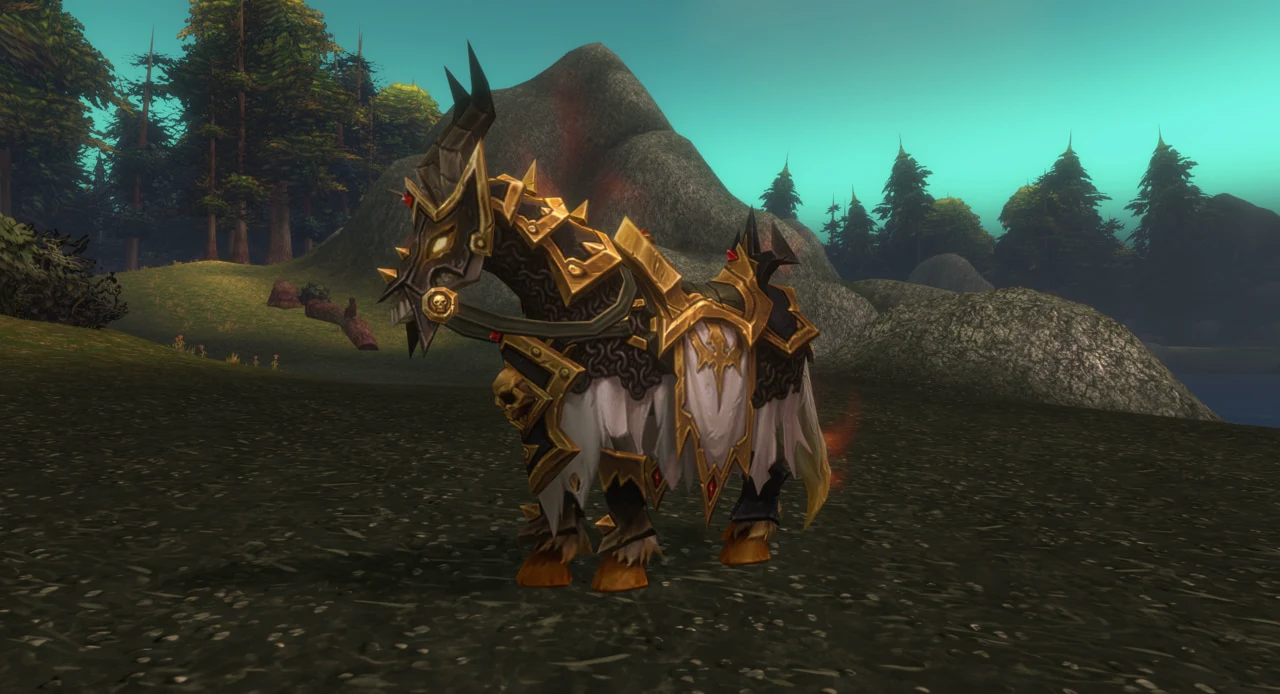
The dramatic tension lies in belonging. A paladin may try to honour promises made during life while everything around them insists that life is over. They might have to earn the trust of the very people they believe they are serving. In that situation, one doubtful look can mean more than a new combat ability.
My reading is that this kind of character works best when the contradiction remains alive. If undeath affects only appearance, the premise loses its weight. If every attempt to do something right meets nothing but rejection, the character has little room to grow. The richest possibilities lie between those extremes: a desire to help, uncertain motives and relationships built slowly.
The connection between Forsaken Kingdom and Forever adds a dimension of time. Warcraft III’s campaign introduces the origins of Forsaken paladins, and Blizzard says those narrative threads continue in Forever. A WoW player can therefore encounter consequences of developments whose beginnings are explored in another game. Official campaign presentation.
5. Hyjal bears the wounds of victory
In Hyjal, history is part of the landscape. Nordrassil, the mountains and the forests carry the meaning of the battle even when the visitor arrives long after its armies. Blizzard’s historical zone description explains that the World Tree was recovering from the devastation of the Third War. The later Cataclysm events in that description belong to their own era; here, it serves only as a reminder of the battle’s long shadow across Warcraft’s history. Blizzard: Mount Hyjal – In Defense of Nordrassil.
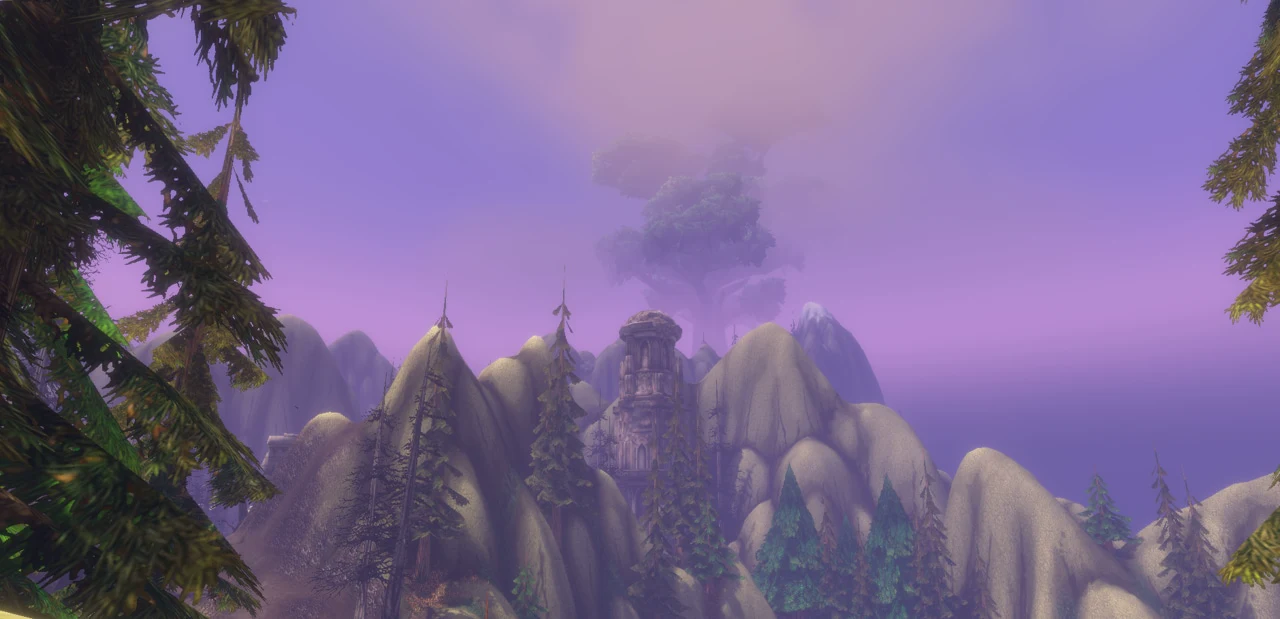
Forever’s Hyjal is set after Archimonde’s defeat. The official presentation discusses a recovering land, its future and the exploration of Darkwhisper Gorge. A Hyjal Summit raid has also been announced for the region. Forever’s What’s Next recap.
At this point, the traces of a known event can be more interesting than its repetition. A battlefield has a memory that no single person owns. One survivor remembers an ally’s help. Another remembers a lost friend. A third sees a new responsibility: somebody has to care for what remains.
Hyjal also offers a way to consider the distrust that can follow cooperation. A common enemy can bring peoples together in battle. Its disappearance does not automatically settle their old disputes, and maintaining peace demands different actions from fighting a war. This is an interpretation of the region’s premise, rather than a revelation of its quest outcomes.
The raid’s familiar name may bring back memories of The Burning Crusade. There, a journey through the Caverns of Time preserves the outcome of Hyjal’s historical battle. Forever’s announced premise concerns the world after that battle. A place name alone therefore cannot establish an identical boss roster or plot. Blizzard’s description of the historical Burning Crusade Classic raid.
6. Dalaran: what lies behind the city walls?
Dalaran’s name carries both learning and the dangers of power. The original WoW manual connects the city to Medivh’s spellbook, Kel’Thuzad’s summoning of Archimonde and, later, the magical power used by Illidan. That background alone makes it a place where knowledge and safety are difficult to separate. The WoW manual’s historical account.
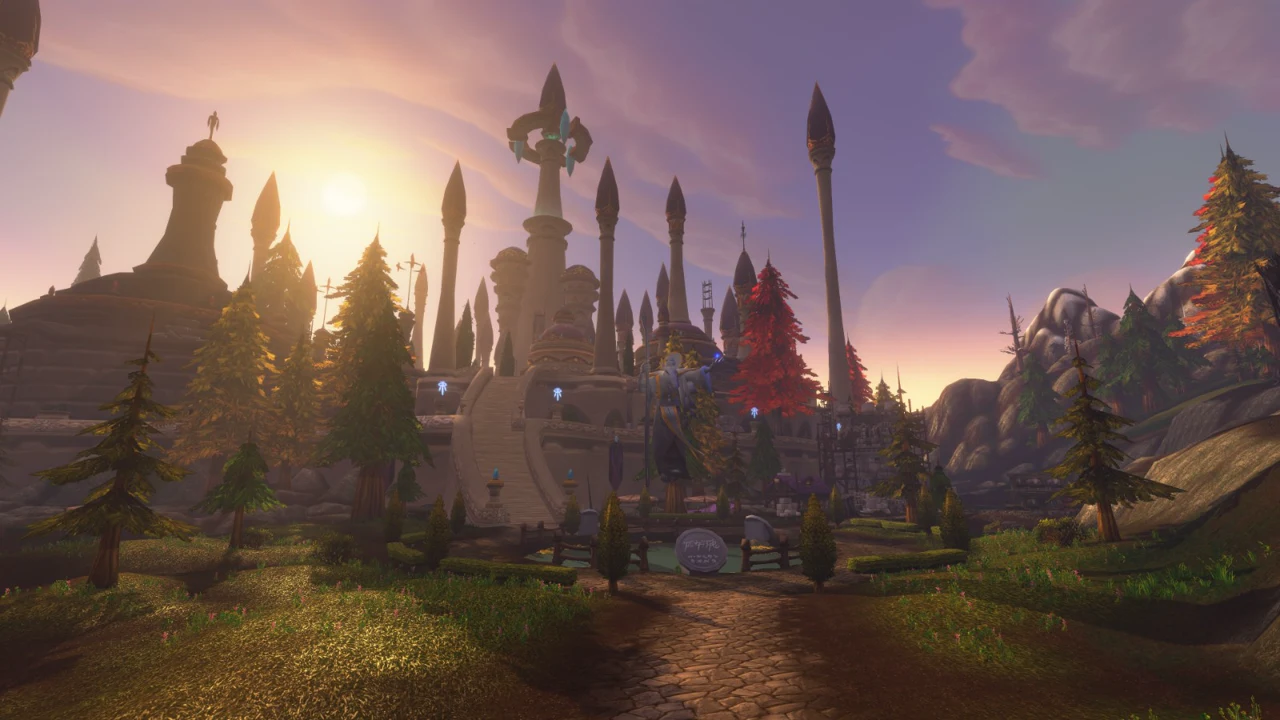
Forever’s official dungeon presentation promises an investigation into strange magical trouble in Dalaran. Its deeper explanation is something to discover in the story itself. A closed or difficult-to-reach city draws some of its fascination from the fact that an outsider knows its reputation better than its inhabitants. Blizzard’s dungeon presentation.
As a setting, the city is a good place to ask what expertise does to people. Does knowledge protect the surrounding world? Does it encourage its keepers to make decisions for everybody else? How does an ordinary resident live somewhere that a routine problem might be the result of a magical experiment? Those questions can produce conflict through the city’s own habits and institutions, without requiring an immediate new threat to the whole world.
Beta note, October 11, 2026: early October observations should not be taken as confirmation that Dalaran is a neutral city freely open to everyone. In a statement dated October 9 and reproduced by Icy Veins, Josh Greenfield said full Horde access was unintended. Earning Kirin Tor reputation had also been corrected internally, with that change expected to appear the following week. This article relies on the statements preserved in that report; the original X posts were not directly accessible. Icy Veins’ report and reproduced statements.
This is a useful example of the meeting point between mechanics and story. A guard’s behaviour quickly tells a player who belongs in a place. In a beta, that behaviour can still be wrong. Reading an entire political transformation into one test build would take us further than the evidence supports.
7. Riverglades and the scale of ordinary life
The official Riverglades image looks peaceful at first: water, trees, red roofs and a tower further away. It is a reminder of how much fantasy can fit into an inhabited landscape. Around each building, we can imagine a reason somebody wanted to settle there.
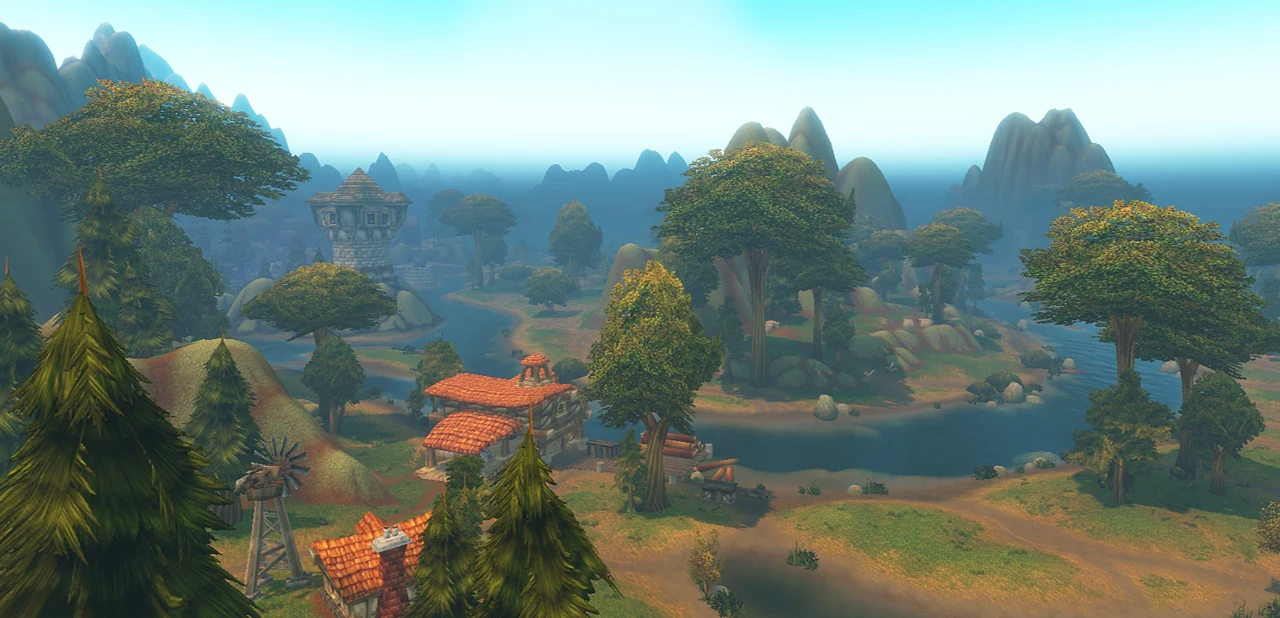
Blizzard places Riverglades alongside familiar Eastern Kingdoms regions. Powderfuse Port connects to a shipping route from Tanaris. Its inhabitants and factions include gnolls, ogres, the Powderfuse goblins, the Twilight’s Hammer and the Brotherhood of the Horse. Alongside those names, the geography begins to feel like part of a larger world. Found Photos recap.
A frontier’s storytelling potential grows out of movement. A trade route brings goods, news, strangers and demands. A harbour provides a connection to the outside world and creates a dependence upon it. A road can be a village’s lifeline even as it brings danger to its door. Such ingredients can produce conflicts in which different parties have understandable reasons for their actions.
That is this article’s interpretation of the setting’s possibilities. An official list of groups does not yet establish the choices its quests will offer. The Brotherhood of the Horse’s name, for example, is insufficient grounds for constructing genealogies or naming its leaders. An appealing connection to older Warcraft needs confirmation within the story.
Riverglades could be especially effective at making travel meaningful. Arrival at a harbour feels different when we remember where the ship departed. A neighbouring region’s concerns carry more weight when its landscape continues beyond the same mountains. The edge of a map becomes a relationship between neighbours, and that relationship begins to make history.
8. Eldre’Thalas: an old ruin with a long memory
Before reaching the Skyborne, it is worth returning to a name many players know through Dire Maul: Eldre’Thalas. The history preserved in its ruins provides important background for the new elves. The remains of an ancient culture also show how survival can gradually become imprisonment within one’s own past.
According to Blizzard’s Classic account, Prince Tortheldrin maintained his hold over the surviving Shen’dralar through the power of an imprisoned demon. When its energy began to fail, he ordered the deaths of some of his subjects to preserve that power for himself and his most loyal followers. Dire Maul’s history also contains resistance: Illyanna Ravenoak refused to kill her friends, and the prince killed both her and her bear, Ferra. Blizzard’s Dire Maul presentation.
Illyanna’s fate continued after death: her spirit and Ferra’s were bound to serve as the ruins’ defenders. Magister Kalendris, meanwhile, had helped carry out the prince’s orders, and his spirit also remained to defend that rule. The same dungeon thus contains both someone who resisted the command and someone who obeyed it. Blizzard’s accounts of Dire Maul’s characters.
This gives the ruin a meaning beyond lost splendour. Its horror also lies in decisions made in the name of survival. A city can be defended against danger from outside while destroying, within its walls, the very things that once made it worth protecting.
Forever’s new Shen’dralas is connected, in the official presentation, to the Shen’dralar, Eldre’Thalas, Dire Maul and the region’s centaurs. It lies between Mulgore and Desolace. Blizzard’s zone presentation.
These similar-sounding names are worth keeping separate:
- Eldre’Thalas: the ancient city whose ruins are associated with Dire Maul.
- Shen’dralar: the elven group belonging to that history.
- Shen’dralas: Forever’s new region.
- Shen’dorei: the Skyborne’s own name, translated by Blizzard as the hidden people.
Distinguishing the names makes their connections easier to follow. A new region and a new people can offer different views of the same historical setting. The substance of each connection still needs to be discovered individually. A familiar-sounding name is a clue meant to awaken curiosity.
9. Skyborne: a refuge among the clouds
The Skyborne take the story from Azeroth’s surface into Skywall. According to Blizzard, their origins lie with rebels who fled Eldre’Thalas after the War of the Ancients. Wind spirits offered them refuge on another plane of existence. The origin account in Found Photos.
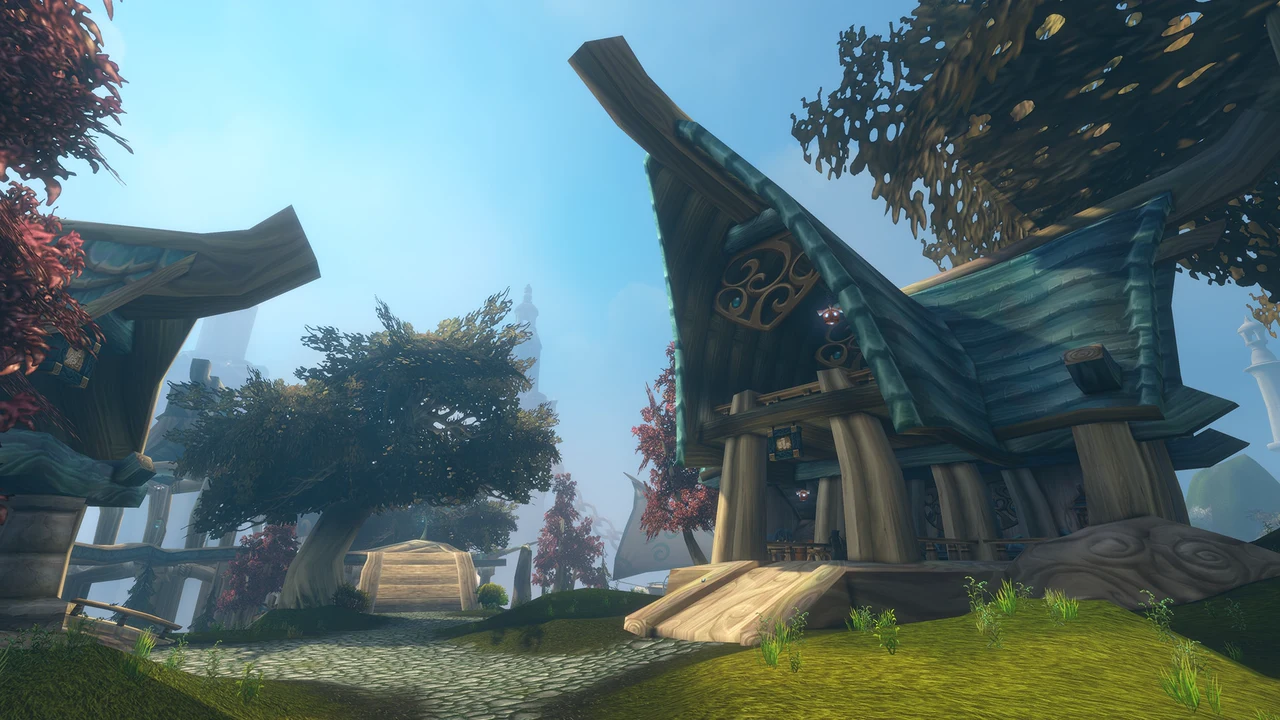
The official Skyborne introduction describes a pact with elemental wind spirits dating back thousands of years. When the player reaches Zephras Isle, its protectors have disappeared, structures are failing and communities are becoming isolated. The Skyborne begin their journey as their home becomes dangerous. Blizzard: Meet the New Skyborne.
A history of exile and a new crisis make a compelling pair. Over generations, a refuge can become so familiar that the conditions sustaining it are forgotten. Protection experienced as salvation by the ancestors may appear to their descendants as the natural order of the world. When it breaks down, the crisis concerns homes, beliefs and identity at the same time.
In this sense, the Skyborne’s most intriguing quality is their relationship with home. Leaving can mean fulfilling a duty or abandoning it, depending on whom you ask. A character returning to the wider world might seek assistance, knowledge or the chance to begin again. The same journey carries different meanings for different people.
When considering a new elven people, it also helps to distinguish shared ancient ancestry from later cultures. The Skyborne story begins with the connection between Eldre’Thalas and Skywall. Its details therefore cannot automatically be filled in with the later experiences of Blood Elves, High Elves or Nightborne. An appearance may recall a familiar character, but a community’s narrative identity grows out of what has happened to it.
10. Two answers to the same loss
The Skyborne have two playable affiliations. The Horde-aligned Windshapers seek their missing elemental mentors and want to preserve their way of life. The Alliance-aligned High Order believes dependence on those protectors has left its people vulnerable. It looks to Azeroth for ancestral arcane knowledge and the means to survive independently. Shaman is among the Windshapers’ class options, while Mage belongs to the High Order’s. Blizzard’s Skyborne introduction.
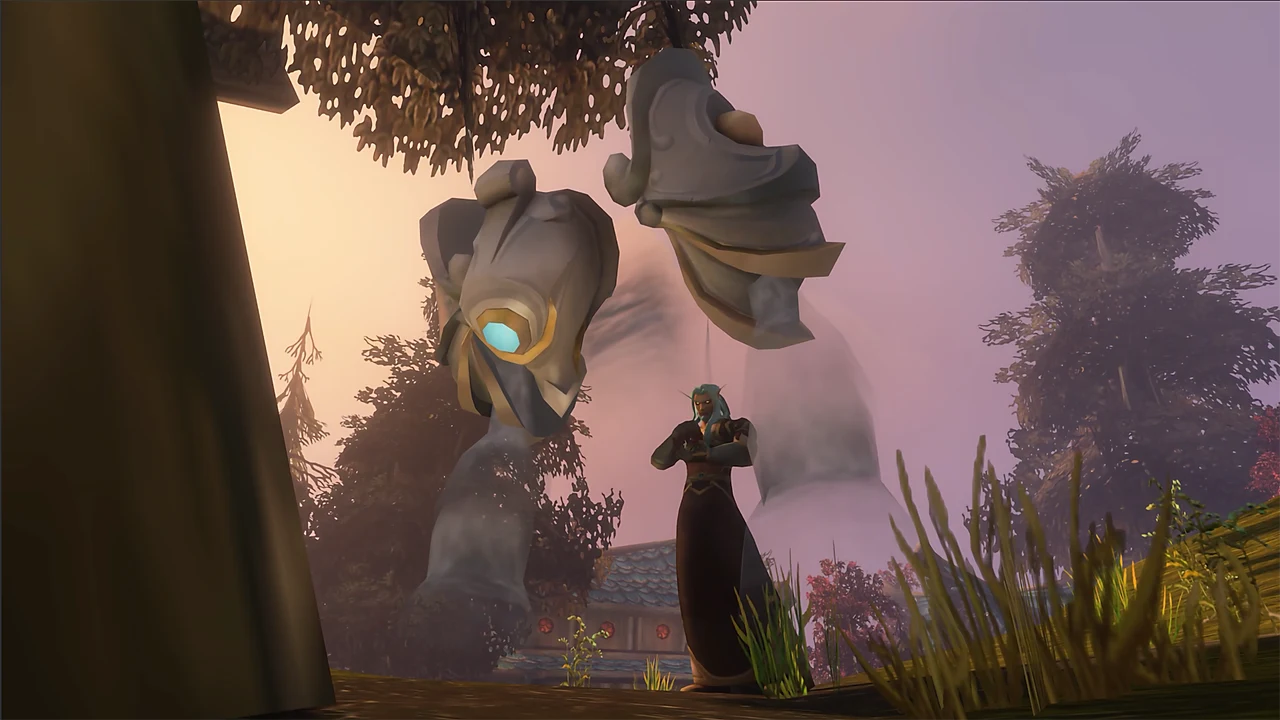
My reading is that the premise gains strength from both answers being understandable. Windshaper loyalty can mean gratitude towards those who saved the people. The High Order’s pursuit of independence can mean responsibility for people whose safety should not depend on an absent power.
Each position can still carry dangers of its own. Defending tradition may become an inability to recognise its limits. Seeking independence may encourage the belief that everything earlier generations learned was unnecessary. Alongside Eldre’Thalas’s history, that becomes an interesting moral question: how does the desire for security affect the kind of power people are prepared to pursue?
For a player character, the difference offers more than a class choice. One journey might begin with a promise to restore a lost connection. Another might be driven by a determination that the community will never again become so dependent. Both emerge from the same crisis, but they may look at the same ruins very differently.
At this point, an unanswered question is also valuable to the story. Why did the wind spirits disappear? What price is each group willing to pay? An article need not invent the answers. These are precisely the questions worth carrying into Zephras.
Nobbel87
Watch: Nobbel87: The new skyborne elves EXPLAINED – WoW Forever Lore. This community lore overview offers another reading of the subject. It is the creator’s explanation and interpretation; the confirmed Skyborne information in this article comes from Blizzard’s publications.
11. Why introduce another elven people?
The Skyborne also raise a question outside the fiction. Azeroth already contains numerous elven cultures. Why tell the story of an entirely new group here?
In TechRadar’s interview, Blizzard explained the choice through both storytelling and production scope. Air elemental environments offered a setting for a contained starting experience. Making the race available to both sides also related to population balance. Building one shared starting region left room to develop another adventuring zone, Riverglades. TechRadar’s original interview.
These explanations help make sense of the design, but they cannot by themselves establish whether a new people will feel convincing. Smaller details determine that. What customs do its members observe? What do they find shameful or admirable? Whom do they turn to in a crisis? A fictional culture begins to live when it seems to have purposes beyond serving the player.
A new people entering an old world must also earn its place through relationships. It should be able to reveal something about both itself and the Azeroth around it. The connection with Eldre’Thalas offers that opportunity: returning to an old ruin can feel different when you know the descendants of people who left it. A new perspective can make an old place more interesting.
An examination of the premise cannot replace a final judgement on how well this succeeds. The sources published so far show the questions the story aims to open. The rhythm of its quests, the credibility of its characters and the weight of its resolutions emerge in the telling.
12. Small quests can carry a great deal of history
Forever’s lore extends beyond its new regions. In a GameSpot interview, Josh Greenfield discussed the grounded perspective of older quests and the expansion of Wetlands and Azshara. He also teased the possibility of continuing a mystery such as The Missing Diplomat. A tease does not yet confirm how, or how completely, that story will be resolved. GameSpot’s interview, republished by Yahoo.
A good local quest can begin with a modest request. Deliver a letter. Find a missing person. Discover why a shipment never arrived. Its power depends on what the journey reveals. If the recipient is afraid to open the letter, an ordinary delivery acquires a different meaning. If people remember the missing person in contradictory ways, the search starts to reveal an entire village.
These are invented examples, but they illustrate how a world’s history can come close to the player. Every quest need not explicitly explain the relationships between kingdoms. It is enough for those relationships to influence who dares ask for help, and from whom.
The same applies to new dungeons. Blizzard’s presentation places the Hall of Thanes beneath Ironforge, connects the Ruins of Lordaeron to the Forsaken’s reclamation of their home, and links the Shaper’s Terrace to titan mysteries in Un’Goro. Official dungeon recap.
These are effective story hooks because the setting has already done some of the work. Descending beneath a city changes our understanding of that familiar place. Reclaiming a homeland raises questions about ownership. The traces of an ancient builder remind us how little of the world’s history is visible to its current inhabitants.

World of Warcraft
Watch: World of Warcraft: Forever – Found Photographs. Blizzard’s lore panel provides background for the larger picture. Alongside it, we can return to the opening question: what has been left outside the familiar landscape?
13. How to read Forever’s world
A player interested in lore does not have to memorise every name before beginning. Often, a better starting point is to notice recurring relationships. Who remembers an event differently from someone else? Which building has changed its purpose? Why does the same banner offer reassurance in one village and provoke fear in another?
One useful approach is to follow a subject across several regions. In this article, that subject is home. In Lordaeron, its meaning changes with both body and community. In Hyjal, it is defended after catastrophe. In Riverglades, it is built through routes and neighbours. On Zephras, its survival depends on powers that have disappeared. These connections are an editorial interpretation, not a single overarching plot announced by Blizzard.
Memory is another valuable thread to follow. A ruin may carry an official story of heroism while someone who lived there remembers fear above all. A new character’s quest text can give an old place a different shade of meaning without replacing any historical event. Lore grows through greater detail.
The player’s own memory matters, too. An old route can feel safe because it is familiar. A new side path disturbs that certainty in a small but effective way. For a moment, the map stops being merely a plan for the most efficient journey and becomes a place where something unexpected can happen again.
In the Windows Central interview, the developers highlighted players’ own experiences: shared expeditions, mistakes and encounters form part of what makes the world meaningful. Developer interview.
That is a reason to give lore time beyond the quest window. Stop to look at where a road leads. Notice which ruins can be seen from the village. Remember who helped you get back alive. Written history and your own journey begin to accumulate in the same landscape.
14. The future waits down the road
Forever’s presentations so far depict an Azeroth in which the past influences everyday life at many levels. Great events have left behind land, buildings and people who must carry on. New stories become possible through the different ways they find to do so.
For me, the most intriguing connection lies between the Forsaken and the Skyborne. In both premises, familiar life has changed in a way no individual can reverse. Identity is then built through choices: what to believe, whom to ask for help and what to preserve. The same question can be asked of a game world returning to its starting point with a new future ahead.
This article began with a closed road and the thought of somebody’s home on the other side. Forever’s lore succeeds if opening the gate reveals a place that seems to have a life of its own. Its inhabitants have already loved, feared, made mistakes and formed plans before the player arrives.
Then the first quest feels like an invitation. Azeroth’s history continues, and this time its next side road is waiting precisely where you have decided to leave the beaten path.
About the sources and videos
This feature draws on Blizzard’s official presentations, the historical manual and original developer interviews from Inven, Windows Central, GameSpot and TechRadar. The Dalaran beta clarification was read in the developer statements reproduced by Icy Veins. Inven’s English article is an editorially reviewed translation; the GameSpot interview was read in Yahoo’s republication.
The videos were selected by subject, publisher and verified YouTube metadata. Three come from the official World of Warcraft channel and one from Nobbel87. They have not been used as watched or transcribed primary sources. Their longer interpretations and any additional spoilers belong to their creators. Image origins are identified in the captions; the Lordaeron image is official artwork, and the other article images are game screenshots.
Sources and further viewing
Sources checked October 11, 2026. Blizzard publications, original developer interviews and an identified beta report. Historical background and editorial interpretation are distinguished from future plot developments. Images © Blizzard Entertainment.
BlizzCon 2026 · 14.9.2026
Forever opens Azeroth’s side roads · Riverglades, Skyborne and Forsaken paladins
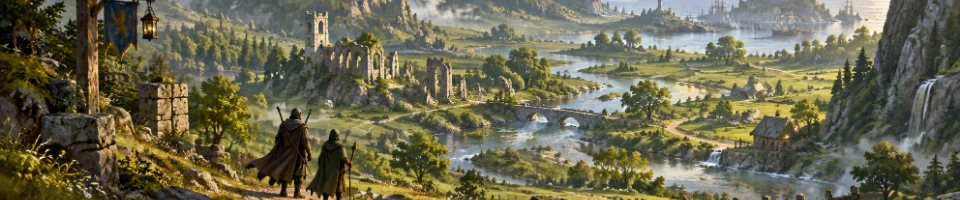
Blizzard has shared new details about Forever’s world. We look at travelling to Riverglades, the Skyborne’s background and why a Forsaken paladin needs more than a different character model.
Blueposts · 11.10.2026
Forever beta opens Dalaran · class fixes and 16 Legacy Points
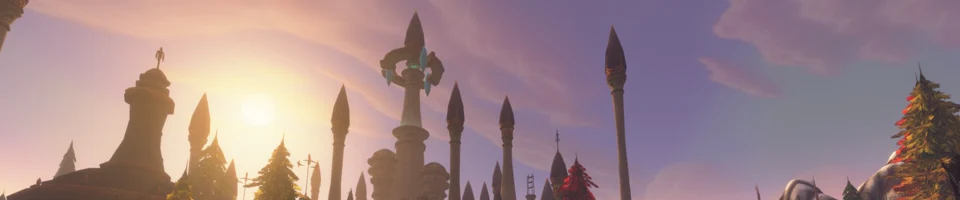
City of Dalaran is open in the Forever beta. Catch up on Rage fixes, Penance and Reckoning changes, and the expanded Legacy testing options.
Blueposts · 8.10.2026
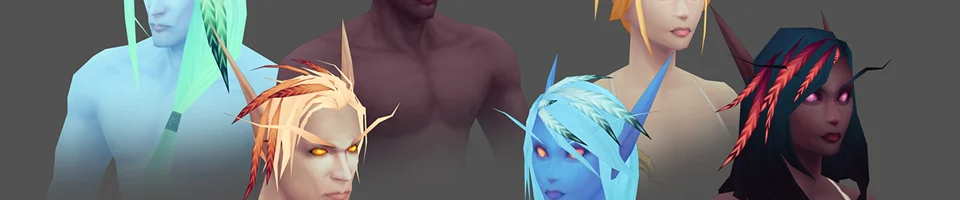
Skyborne visuals are changing · classic-style models target early 2027
Blizzard previews revised Skyborne Druid forms and work-in-progress SD characters. See the official comparisons and what the announced timing means.