World of Warcraft: The Burning Crusade Classic - Karazhan
Karazhan raid notes
A 10-player raid checklist for boss pulls, role reminders, optional encounters and pre/post-nerf notes.
How to use this guide during a raid
Open the encounter you are about to pull, read the TL;DR and raid priorities first, then check setup, roles, mechanics and nerf notes.
Karazhan is a long raid. These notes are meant to keep common wipe points visible, not to force one exact route or positioning plan.
Raid rhythm
Karazhan starts with stable and banquet encounters, then adds more control checks, movement pressure and role discipline. Moroes tests crowd control and kill order, Maiden checks dispels and spread, Opera changes by weekly variant, and the back half asks for clearer calls on Aran, Netherspite, Prince and Nightbane.
Quick links
Pre/Post-nerf in short
Karazhan did not receive one single raid-wide nerf package. The changes came in smaller waves: some made fights fairer, some removed cheese and some fixed loot or reset issues.
| Area | Documented change | Practical impact |
|---|---|---|
| Maiden | Holy Wrath, Holy Fire and Repentance received several fixes. | Fewer unfair melee and tank deaths. |
| Opera | Romulo and Julianne became more stable, and Big Bad Wolf immunity cheese was removed. | The variant still needs the correct tactic. |
| Curator | Evocation and anti-kite behavior were adjusted. | The end is cleaner but not automatic. |
| Illhoof | Sacrifice, Kil'rek and imp pressure became more manageable. | The fight is less random, but chains still matter. |
| Shade / Netherspite / Prince | Several fairness and anti-cheese fixes. | Fewer odd wipes, fewer safe exploits. |
| Nightbane | Skeletons, fear behavior, Smoking Blast and Rain of Bones changed. | Still dangerous, but more controlled than early versions. |
Anniversary's Tier 4 post-nerf direction is best read through documented late-TBC behavior. Blizzard has not published a boss-by-boss Anniversary diff for Karazhan.
Karazhan at a glance

Encounter 1 / 12 · Karazhan
Attumen the Huntsman
A stable encounter where Midnight and Attumen merge into one mounted boss.
Raid priorities
- Two tanks make the opening clean: one starts on Midnight and the other catches Attumen when he spawns.
- Melee stays to the side or behind the boss and never stands in front of the cleave.
- Curse dispels happen quickly, especially on tanks and physical DPS.
Before the pull
- Clear the stable area calmly before the boss pull.
- Decide which tank starts on Midnight and which tank picks up Attumen.
- Make sure a mage or druid is ready to remove curses.
Mechanics reference
Phase plan and tactic
Pull Midnight to a controlled spot and keep the raid to the side or behind.
The off-tank picks up Attumen immediately and turns the cleave away from the raid. DPS can cleave if threat stays under control.
When Attumen mounts Midnight, tank the encounter as one target. Keep dispelling curses and avoid the front of the boss.
Role notes
Tanks
- Keep the cleave away from the raid.
- Be ready for Attumen's spawn.
DPS
- Do not start on Attumen before the tank has him.
- Melee stays to the side or behind.
Healers
- Keep both tanks stable during the opening.
- React to charge and cleave damage.
Dispels
- Remove the curse immediately, especially from tanks and physical DPS.
Nerfs: what changed
- The documented TBC change was small: Midnight became immune to bleed effects in patch 2.0.10.
- The practical tactic is the same in pre-nerf and post-nerf contexts.
Encounter 2 / 12 · Karazhan
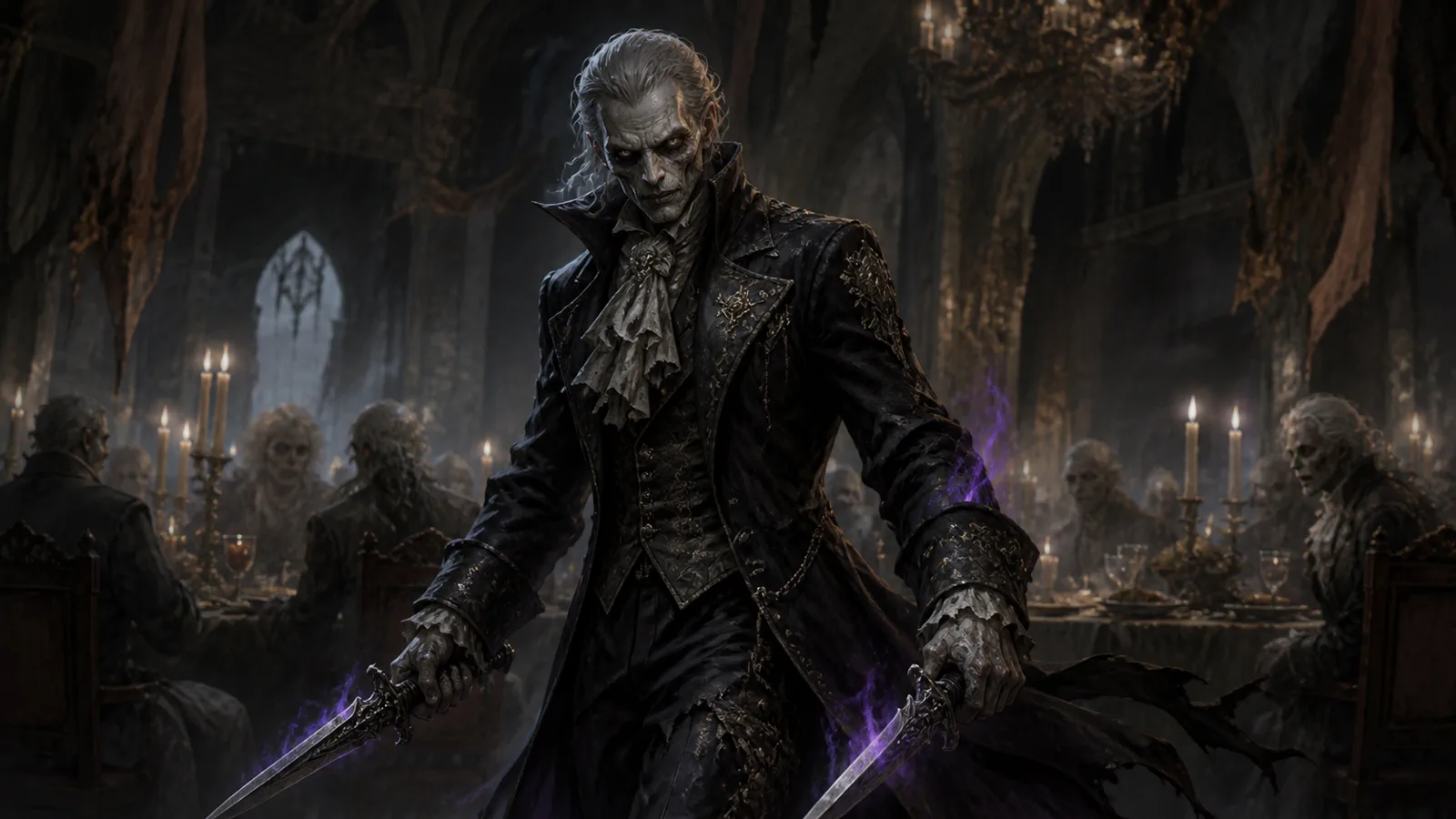
Moroes
A council-style fight where crowd control and kill order decide the opening.
Raid priorities
- Crowd control and kill order must be assigned before the pull.
- Two tanks stay high on Moroes threat so Gouge does not send him into healers or DPS.
- Garrote targets need to be noticed early. It is a long bleed and not a normal dispel target.
- Do not break crowd control with cleave, DoTs or loose AoE.
Before the pull
- Identify the four guests and mark the kill order. Healing guests and dangerous melee attackers usually take priority.
- Assign Shackle, trap, fear or other available crowd control before the pull.
- Decide who tracks Garrote targets and when to use defensives, immunities or Blessing of Protection.
- Set the tank plan: one tank holds Moroes while the other builds threat and controls the active add.
Mechanics reference
Phase plan and tactic
Pull Moroes and the first kill target into a controlled position while the other guests are controlled immediately.
Kill the assigned adds one by one. The raid lead should call swaps because random DoTs, cleave and AoE break crowd control easily.
When Moroes vanishes, healers find the Garrote target and tanks prepare to take him back. Several Garrotes will start to tax healing quickly.
Once the adds are dead or stable, focus Moroes. Keep tanks high on threat until the end.
Role notes
Tanks
- Keep Moroes and the active add away from crowd-controlled targets.
- Both tanks need threat on Moroes for Gouge.
- Pick the boss back up quickly after Vanish.
DPS
- Follow the kill order exactly.
- Avoid cleave, DoTs and AoE near crowd-controlled targets.
- Wait for stable threat before using burst.
Healers
- Track Garrote targets throughout the fight.
- Expect split tank damage at the start.
- Cleanse Blind quickly if your raid has the right tool.
Crowd control
- Refresh crowd control early and call if it breaks.
- Keep your assigned add locked down even if the kill target changes.
- Do not stand where cleave or AoE will splash onto your target.
Nerfs: what changed
- No clear boss-specific TBC nerf was found for Moroes.
- The pre/post difference is mostly gear, crowd-control routine and how well the raid survives the Garrote load.
- The core tactic remains add control, tank threat management and Garrote awareness.
Encounter 3 / 12 · Karazhan
Maiden of Virtue
A positioning, dispel and Repentance check in the middle of Karazhan.
Raid priorities
- Holy Fire is dispelled immediately. A late dispel can kill the target fast.
- The raid stays spread so Holy Wrath does not chain through multiple players.
- Healers agree who breaks Repentance with Holy Ground and who keeps pre-healing on the tank.
- The tank keeps the boss centered and avoids unnecessary movement.
Before the pull
- Assign Holy Fire dispels before the pull.
- Place healers so the tank stays in range without forcing the raid to stack.
- Agree who can break Repentance with a Holy Ground tick if needed.
- Tank Maiden in the middle and keep the boss stable.
Mechanics reference
Phase plan and tactic
The tank keeps Maiden in the middle. Ranged and healers spread around the room while melee stays on the boss.
Holy Fire is removed before normal healing priorities, because the DoT is the common sudden-death point.
Keep HoTs or other pre-healing on the tank before Repentance. A healer can take a Holy Ground tick if the raid uses that plan.
There is no major phase change. Keep spreading, keep dispelling and do not let Repentance windows kill the tank.
Role notes
Tank
- Keep Maiden centered.
- Plan for Repentance windows with cooldowns or healer pre-casts.
- Do not move the boss out of healer range.
Melee
- Accept controlled Holy Ground damage near the boss.
- Do not drag pressure into ranged or healer groups.
- Use personal survival if healers are in Repentance.
Ranged
- Keep distance from other players for Holy Wrath.
- Stay out of Holy Ground unless assigned.
- Do not stack the whole group on one pillar.
Healers
- Dispel first when Holy Fire lands.
- Pre-heal the tank before Repentance.
- Agree who breaks Repentance if the raid needs it.
Nerfs: what changed
- A February 2007 hotfix fixed cases where Maiden could despawn on reset.
- Patch 2.0.10 adjusted Holy Wrath to give melee players more room, fixed a Holy Fire range exploit and stopped Holy Fire from targeting players affected by Repentance.
- Patch 2.1.0 fixed a Repentance bug where the current target could be hit.
- Post-nerf Maiden is still a positioning and dispel check, but the random-death edges are easier to manage.
Encounter 4 / 12 · Karazhan
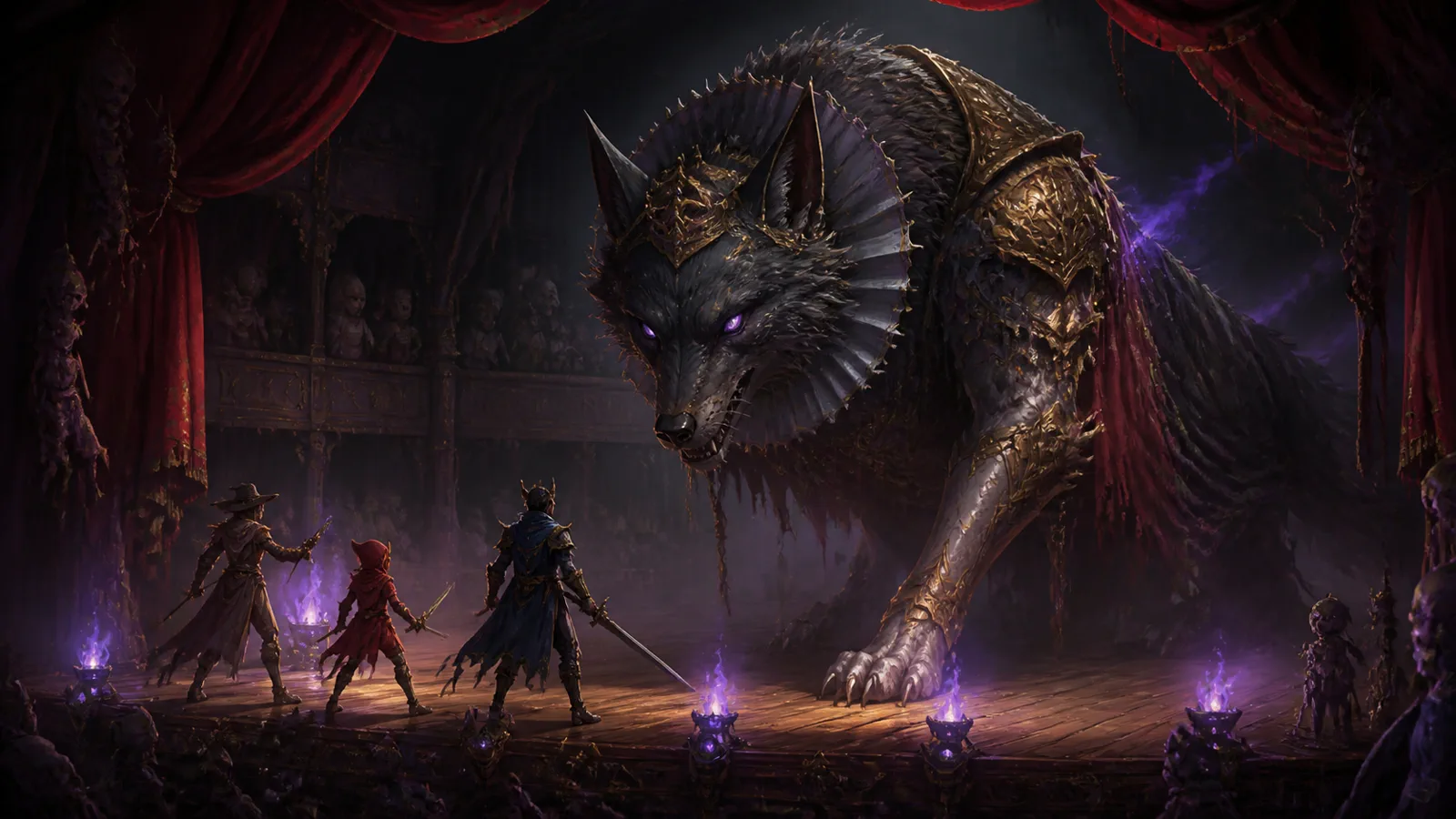
Opera Event
One weekly event, three possible scripts and three different wipe patterns.
Raid priorities
- Confirm the active variant before assignments.
- Do not use the same pull plan for all Opera scripts.
- Interrupt heals and dangerous casts immediately.
- In Romulo and Julianne, both bosses must die close together.
Before the pull
- Check which Opera variant is active.
- Assign interrupts for Julianne or The Crone when relevant.
- Set a clear target order for Wizard of Oz.
- Remind everyone how to kite Big Bad Wolf if they become Little Red Riding Hood.
Mechanics reference
Phase plan and tactic
Control or slow the dangerous targets, kill Dorothee/Tito pressure cleanly and keep enough control ready for The Crone.
The transformed player runs a clean kite path. Everyone else gives space and keeps damage steady without body-blocking the target.
Interrupt Julianne's heal, manage Romulo's melee pressure and bring both bosses down together after they revive.
Variant notes
Wizard of Oz
Control-heavy variant with several active characters.
- Control Roar and use Fire damage to keep Strawman under control.
- Kite Tinhead once Rust has slowed him sufficiently.
- Kill Dorothee and Tito early, keep the other enemies controlled and handle The Crone after the first group is dead.
Big Bad Wolf
Kiting variant where one player becomes Little Red Riding Hood.
- The target kites immediately.
- Do not stand in the kite path.
- Healers track the transformed player.
Romulo and Julianne
Two-boss variant with interrupts and a simultaneous-kill requirement.
- Interrupt Eternal Affection.
- Dispel or manage buffs when possible.
- Kill both bosses close together.
Role notes
Tanks
- Pick up Romulo quickly if that variant is active.
- Keep active mobs away from controlled targets.
- Be ready for target swaps in Wizard of Oz.
DPS
- Follow the variant-specific target order.
- Stop breaking crowd control.
- Control burst so Romulo and Julianne die together.
Healers
- Track the Little Red Riding Hood target.
- Expect scattered damage in Wizard of Oz.
- Prepare for burst when Romulo is active.
Interrupts/CC
- Julianne's heal is the priority interrupt.
- Keep Wizard of Oz control assignments active.
- Call if a control target breaks loose.
Nerfs: what changed
- Patch 2.1.0 weakened Daring, reduced Poisoned Thrust and Backward Lunge pressure and made Deadly Swathe more predictable. Patch 2.2.0 made Romulo and Julianne clear negative effects before reviving, so the final kill cannot rely on lingering DoTs.
- Patch 2.1.0 removed immunity tricks for Little Red Riding Hood. The target still needs to kite Big Bad Wolf. No substantial TBC-specific nerf was documented for Wizard of Oz.
- The core tactic is still variant recognition and clean execution rather than raw DPS.
Encounter 5 / 12 · Karazhan
The Curator
A mana-cycle fight built around Astral Flare control and Evocation burn windows.
Raid priorities
- Astral Flares die fast. Loose flares create the real raid damage.
- The assigned Hateful Bolt target or soaker stays healthy.
- Major damage cooldowns are strongest during Evocation.
- At 15%, stop waiting for another clean cycle and finish the boss.
Before the pull
- Assign ranged players to swap quickly to Astral Flares.
- Agree who is expected to soak or survive Hateful Bolt pressure.
- Save damage cooldowns for Evocation unless the raid has a clear reason to use them earlier.
- Remind melee not to chase bad flare paths through avoidable damage.
Mechanics reference
Phase plan and tactic
Kill every Astral Flare as it spawns while keeping steady damage on Curator.
Use the agreed cooldowns, trinkets and Bloodlust/Heroism during Evocation to take advantage of the increased damage he receives.
At 15%, commit to the kill. Keep the soaker alive and finish before the damage overwhelms the raid.
Role notes
Tank
- Keep Curator stable and predictable.
- Do not drag the boss around during flare swaps.
DPS
- Swap to Astral Flares immediately.
- Save burst for Evocation.
- Do not tunnel the boss while adds are loose.
Healers
- Track the Hateful Bolt target.
- Expect raid spikes when flares live too long.
- Prepare for heavier healing at 15%.
Raid lead
- Call flare swaps clearly.
- Call Evocation burst.
- Call the final burn at 15%.
Nerfs: what changed
- Patch 2.2.0 fixed ways to kite Curator far outside his room. Patch 2.3.0 made him stop Evocation immediately at 15% health.
- The 15% Evocation cutoff is not simply a nerf: the raid loses a long, uninterrupted burn window at the end. Keep enough damage and healing resources for the finish.
- The practical post-nerf tactic is still add control into Evocation burn windows.
Encounter 6 / 12 · Karazhan
Servants' Quarters
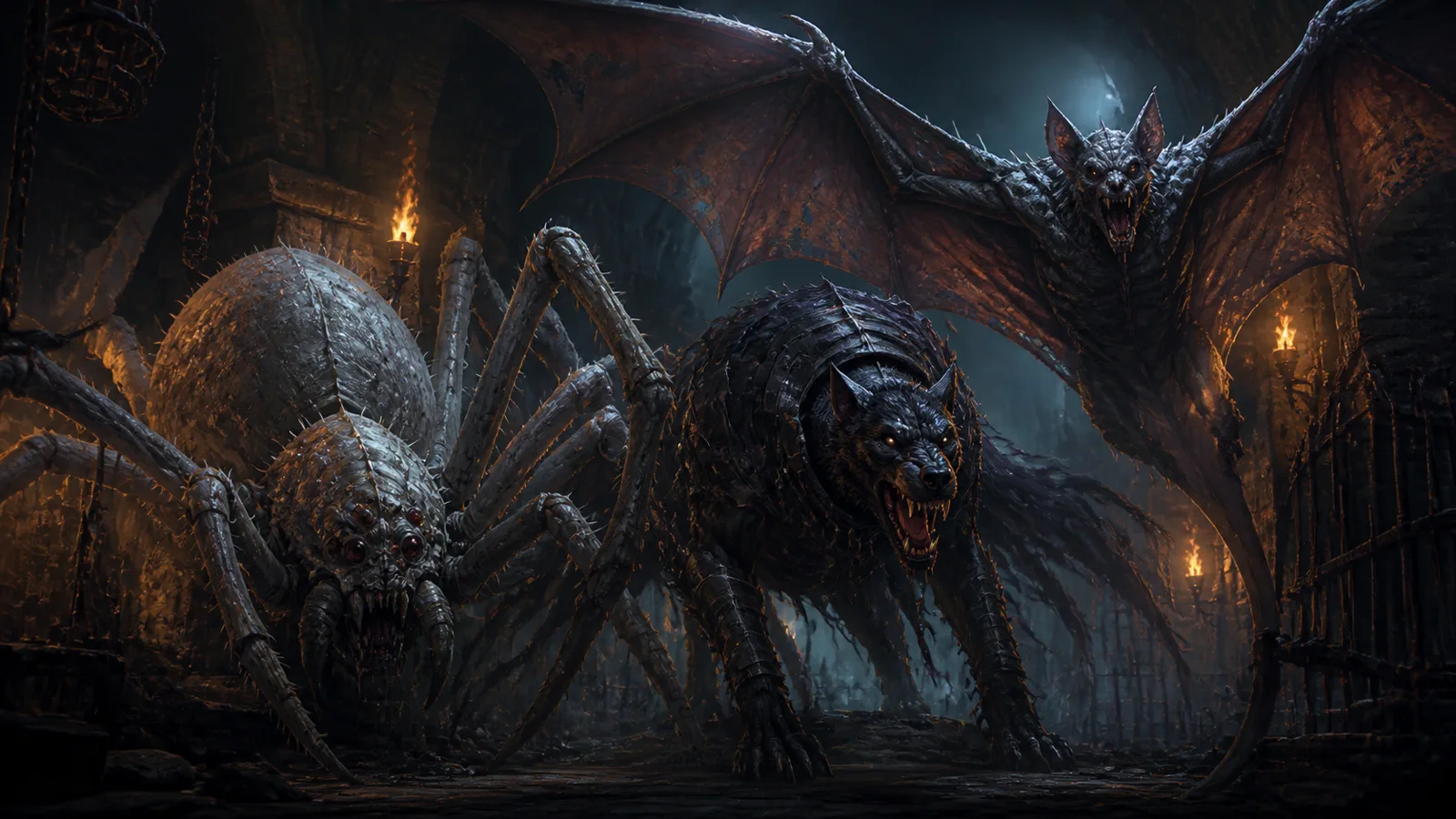
Optional beast wing with one random miniboss after the room is cleared.
Raid priorities
- Do not chain-pull the room without control.
- Identify the miniboss before using cooldowns.
- Keep the boss away from uncleared packs.
- Treat the wing as optional value, not a reason to wipe the raid.
Before the pull
- Clear enough space before engaging the miniboss.
- Confirm whether the spawn is Hyakiss, Rokad or Shadikith.
- Prepare poison removal for Hyakiss, healing and tank defensives for Rokad, and safe caster positioning for Shadikith.
Mechanics reference
Phase plan and tactic
The danger is usually bad trash management. Pull packs into safe space and avoid extra mobs.
Once the spawn is known, use the matching plan: cleanse and stabilize Hyakiss, tank Rokad directly, and give Shadikith room.
Do not drag the miniboss through uncleared packs. Finish the optional loot safely.
Variant notes
Hyakiss the Lurker
Spider miniboss with web and poison-style pressure.
- Keep the tank stable.
- Remove what your comp can remove.
- Avoid letting the fight drift into uncleared trash.
Rokad the Ravager
Simple melee pressure check.
- Tank it in cleared space.
- Heal through the steady hits.
- Do not overcomplicate the fight.
Shadikith the Glider
Mobile miniboss with charge-style disruption.
- Give the boss room.
- Do not stack unnecessarily.
- Recover quickly after movement.
Role notes
Tank
- Pull into cleared space.
- Keep the miniboss away from extra packs.
DPS
- Do not break into nearby trash.
- Swap targets only when the tank has control.
Healers
- Expect uneven damage on Hyakiss or Shadikith.
- Keep dispel tools ready if useful.
Utility
- Use slows, cleanses or control if the active miniboss calls for it.
Nerfs: what changed
- No miniboss-specific TBC nerfs were documented for Hyakiss, Rokad or Shadikith. Patch 2.3.0 reduced the amount of trash required to spawn a Servants' Quarters miniboss.
- The TBC changes mainly shorten the room clear rather than changing these miniboss mechanics. The broad health and damage reductions in Wrath pre-patch 3.0.2 are a separate, later change.
Encounter 7 / 12 · Karazhan
Terestian Illhoof
Sacrifice chains, Kil'rek and imp control decide whether the room stays stable.
Raid priorities
- Demon Chains are the top priority every time.
- Imp AoE must be steady and controlled.
- Kil'rek is tanked or controlled so it does not disrupt healers.
- Do not tunnel the boss through an active Sacrifice.
Before the pull
- Assign fast swaps to Demon Chains.
- Set the imp AoE plan.
- Decide who handles Kil'rek.
- Place the raid so chain swaps and imp control are quick.
Mechanics reference
Phase plan and tactic
Tank Illhoof and Kil'rek in a stable position while AoE players settle into imp control.
Every Sacrifice call is a hard target swap. Chains die before boss damage continues.
Keep imps under control, use Kil'rek windows well and finish the boss without missing a Sacrifice target.
Role notes
Tanks
- Keep Illhoof and Kil'rek controlled.
- Do not move the boss away from chain swap range.
DPS
- Swap to Demon Chains instantly.
- Keep AoE on imps consistent.
- Use burst when chains are clear.
Healers
- React hard to Sacrifice targets.
- Expect raid damage if imps live too long.
AoE/Utility
- Warlocks and AoE classes keep imps from flooding the room.
- Call if chain target damage is falling behind.
Nerfs: what changed
- Patch 2.1.0 stopped Sacrifice from targeting Illhoof's primary target, slowed Kil'rek's respawn and slightly reduced imp health.
- Post-nerf Illhoof is more controlled, but missed Demon Chains still wipe raids quickly.
Encounter 8 / 12 · Karazhan
Shade of Aran
A caster fight without a normal threat table: movement discipline matters more than tanking.
Raid priorities
- Do not move during Flame Wreath.
- Run out after the Arcane Explosion pull-in.
- Interrupt key Frostbolt and Fireball casts without wasting every interrupt at once.
- Control or kill elementals quickly at 40%.
Before the pull
- Assign interrupt order.
- Remind everyone that Flame Wreath punishes movement.
- Set a plan for the 40% elementals.
- Make sure players know to run from Arcane Explosion after the pull-in.
Mechanics reference
Phase plan and tactic
The raid handles Aran like a caster-control encounter, not a tank-and-spank fight. Interrupts reduce healer strain.
Flame Wreath means stop, Arcane Explosion means run, Blizzard means adjust without panic.
At 40%, handle the elementals cleanly and finish Aran while keeping the same movement rules.
Role notes
Interrupts
- Use an assigned order.
- Keep interrupts for dangerous casts.
- Do not move if Flame Wreath is active on you.
DPS
- Keep damage steady without ignoring mechanics.
- Swap or control elementals at 40%.
Healers
- Expect random raid damage.
- Recover quickly after Arcane Explosion and elemental spawns.
Everyone
- Stop for Flame Wreath.
- Run from Arcane Explosion.
- Avoid Blizzard.
Nerfs: what changed
- Hotfixes from February 26 to April 11, 2007 addressed Flame Wreath interactions with pets, summons and immunities. Patch 2.1.0 reduced elemental health, made them despawn on a kill, shortened and clarified Blizzard, and made Flame Wreath ignore pets, summons and mind-controlled NPCs.
- Movement mistakes remain dangerous after these fixes. The patch history lists Dragon's Breath as removed in 2.1.0, but a TBC Classic hotfix on June 9, 2021 changed its targeting. Classic behavior is therefore not a perfect copy of the original 2.4.3 state.
Encounter 9 / 12 · Karazhan
Netherspite
A beam-rotation fight where missed assignments snowball quickly.
Raid priorities
- Beam assignments are decided before the pull.
- The red beam must be controlled by a tank or assigned soaker.
- The blue beam is powerful but dangerous if a player holds it too long.
- Do not let Netherspite stand in beams uncontested.
Before the pull
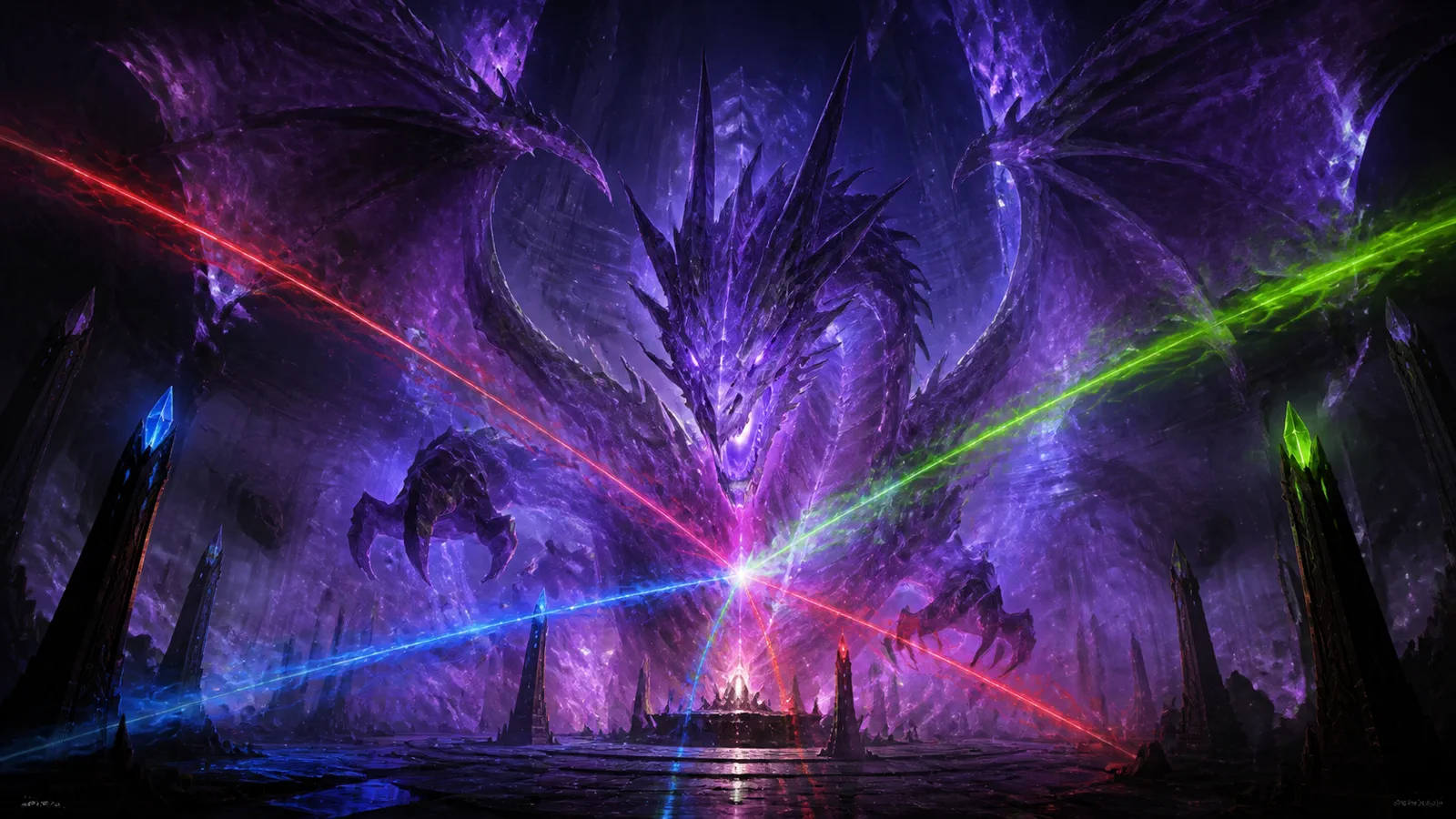
- Assign red, green and blue beam rotations.
- Set backup players for each beam.
- Explain when players swap out to drop dangerous stacks.
- Agree how the raid moves during banish phase.
Mechanics reference
Phase plan and tactic
Assigned players step into beams immediately and rotate out on the agreed timing.
Call swaps early. Backups step in if the assigned player dies or is out of position.
Reset positioning, avoid avoidable damage and prepare for the next portal phase.
Role notes
Tanks/Red beam
- Control the red beam timing.
- Call if a backup needs to take over.
DPS/Blue beam
- Use the damage window without holding the beam too long.
- Swap on the assigned call.
Healers/Green beam
- Follow the healing-beam rotation.
- Watch players with high beam stacks.
Everyone
- Do not cross into the wrong beam casually.
- Use banish phase to reset cleanly.
Nerfs: what changed
- Patch 2.1.0 put the raid into combat correctly and locked the door on pull. Nether Burn and Nether Breath began ignoring line of sight, removing old safe-position tricks.
- Netherspite also stopped casting Nether Burn while crazed. These changes are not all straightforward nerfs: beam rotations remain essential, and old line-of-sight hiding spots are no longer reliable.
Encounter 10 / 12 · Karazhan
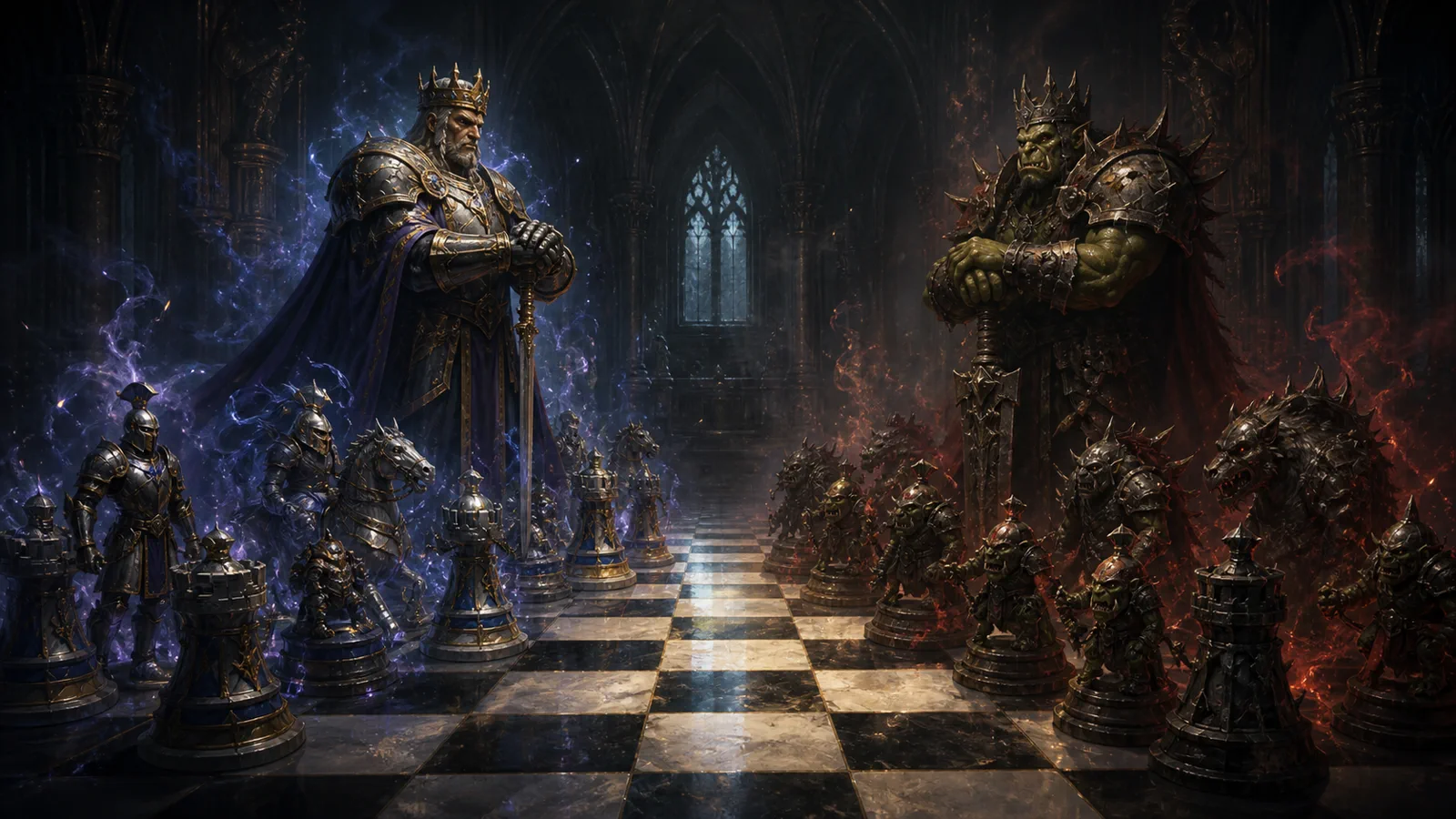
Chess Event
A control event where players move pieces instead of playing their normal classes.
Raid priorities
- Someone reliable controls the king.
- Move pieces out of Medivh's fire or cheat effects.
- Keep healing pieces active.
- Do not tunnel the enemy king while your own king is exposed.
Before the event
- Assign players to king, healers and key damage pieces.
- Explain that piece abilities matter more than normal class buttons.
- Keep extra players ready to take over if someone disconnects or leaves a piece.
Mechanics reference
Phase plan and tactic
Move the king and key pieces into safer positions while keeping healers available.
Use damage pieces to pressure the enemy king without overextending.
When Medivh cheats, move threatened pieces and stabilize before pushing again.
Role notes
King controller
- Keep the king safe.
- Use king abilities intentionally.
- Do not stand in dangerous board effects.
Healer pieces
- Keep the king and key pieces alive.
- Stay in useful range.
Damage pieces
- Pressure the enemy king.
- Do not block your own board.
Backups
- Take over abandoned pieces.
- Help recover after cheats.
Nerfs: what changed
- A February 14, 2007 hotfix addressed lost control of chess pieces. Patch 2.3.0 limited Dust Covered Chest loot to nearby participants and added two Badges of Justice per eligible player. TBC Classic received a separate chest-loot fix on June 8, 2021.
- The practical tactic stays the same: control pieces, protect the king and react to cheats.
Encounter 11 / 12 · Karazhan
Prince Malchezaar
A three-phase fight where Infernal placement can decide the pull.
Raid priorities
- Enfeeble targets move away from Shadow Nova danger.
- The raid relocates when Infernals make the current area unsafe.
- Phase 2 tank damage is the healer check.
- Do not greed casts or melee uptime when an Infernal cuts off the safe space.
Before the pull
- Choose a tank position that gives the raid room to dodge Infernal zones.
- Remind the raid how Enfeeble and Shadow Nova interact.
- Plan a fallback position if Infernals block the main spot.
Mechanics reference
Phase plan and tactic
Settle positioning, respect Enfeeble and move if Infernals cut off the safe area.
Tank damage rises. Healers focus the tank and DPS avoids unnecessary movement mistakes.
Handle the axes and increasing raid damage, and move when Infernals make the current position unsafe. Stay coordinated until Prince dies.
Role notes
Tank
- Keep Prince stable.
- Be ready for heavier Phase 2 damage.
- Move only when Infernal placement forces it.
DPS
- Respect Enfeeble and Shadow Nova.
- Do not greed through unsafe Infernal zones.
- Keep damage steady in Phase 3.
Healers
- Prepare for Phase 2 tank spikes.
- Watch Enfeeble targets after movement.
- Keep range while avoiding Infernal zones.
Raid lead
- Call relocations early.
- Remind Enfeeble targets to stay safe.
Nerfs: what changed
- Prince's documented changes mainly closed exploits involving the door, aggro range and safe spots between Infernals.
- The post-2.4.0 version can feel harder because permanent Infernal safe spots are no longer reliable. Keep reacting to where they land.
Encounter 12 / 12 · Karazhan
Nightbane
A ground/air encounter where skeleton control and fear handling decide the kill.
Raid priorities
- Fear handling is planned before the pull.
- Skeletons in air phase die quickly.
- The tank keeps breath and cleave away from the raid.
- Players move out of Charred Earth and do not drag fire through the group.
Before the pull
- Set fear breaks, Tremor Totem or stance/cooldown plans.
- Assign skeleton pickup and AoE during air phases.
- Remind the raid about front and tail danger.
- Choose air-phase positions before the first takeoff.
Mechanics reference
Phase plan and tactic
Tank Nightbane facing away from the raid. Melee avoids tail and front danger, ranged moves out of fire.
Follow the assigned positioning, pick up skeletons and kill them quickly. Healers keep the targeted players alive.
The tank builds threat immediately as Nightbane lands and turns him away from the raid before DPS commits. Nightbane is immune to taunt, so a late pickup cannot be fixed with taunt.
Role notes
Tank
- Control facing on the ground.
- Use fear handling as planned.
- Build threat immediately on landing: Nightbane cannot be taunted.
DPS
- Kill skeletons fast in air phase.
- Avoid front and tail danger.
- Move out of Charred Earth.
Healers
- Prepare for air-phase burst.
- Watch fear timing and tank pickups.
- Keep players targeted by skeletons alive and dispel the Fire DoT left by Smoking Blast when possible.
Utility
- Use fear tools and add control.
- Help stabilize skeleton waves.
Nerfs: what changed
- Nightbane saw several notable changes around skeletons, fear behavior, Smoking Blast and Rain of Bones.
- The later TBC version is more manageable, but air phases and fear handling still decide many pulls.
Sources and scope
The guide draws on documented boss and patch history, distinguishing original TBC changes from known Classic exceptions and the later Wrath pre-patch.
- Wowpedia - Patch 2.0.10
https://wowpedia.fandom.com/wiki/Patch_2.0.10 - Wowpedia - Patch 2.1.0
https://wowpedia.fandom.com/wiki/Patch_2.1.0 - Wowpedia - Patch 2.3.0
https://wowpedia.fandom.com/wiki/Patch_2.3.0 - Wowpedia - Attumen the Huntsman
https://wowpedia.fandom.com/wiki/Attumen_the_Huntsman - Wowpedia - Moroes
https://wowpedia.fandom.com/wiki/Moroes - Wowpedia - Maiden of Virtue
https://wowpedia.fandom.com/wiki/Maiden_of_Virtue - Wowpedia - The Curator
https://wowpedia.fandom.com/wiki/The_Curator - Wowpedia - Netherspite
https://wowpedia.fandom.com/wiki/Netherspite - Wowpedia - Prince Malchezaar
https://wowpedia.fandom.com/wiki/Prince_Malchezaar - Wowpedia - Nightbane tactics
https://wowpedia.fandom.com/wiki/Nightbane_(tactics) - Blizzard Forums - Burning Crusade Classic Anniversary Edition Phase 2 PTR Development Notes
https://eu.forums.blizzard.com/en/wow/t/burning-crusade-classic-anniversary-edition-phase-2-ptr-development-notes/617997 - Wowpedia - Patch 2.2.0
https://wowpedia.fandom.com/wiki/Patch_2.2.0 - Wowpedia - Wizard of Oz
https://wowpedia.fandom.com/wiki/Wizard_of_Oz - Wowpedia - Romulo and Julianne
https://wowpedia.fandom.com/wiki/Romulo_and_Julianne - Wowpedia - The Big Bad Wolf
https://wowpedia.fandom.com/wiki/The_Big_Bad_Wolf - Wowpedia - Servants' Quarters
https://wowpedia.fandom.com/wiki/Servants%27_Quarters - Wowpedia - Terestian Illhoof
https://wowpedia.fandom.com/wiki/Terestian_Illhoof - Wowpedia - Shade of Aran
https://wowpedia.fandom.com/wiki/Shade_of_Aran - Blizzard Forums - Burning Crusade Classic hotfixes
https://us.forums.blizzard.com/en/wow/t/burning-crusade-classic-hotfixes-%E2%80%93-updated-august-16/974064?page=6
Scope: Anniversary Karazhan was confirmed as post-nerf at raid level, without a published boss-by-boss change list. Individual notes therefore use documented original TBC changes and known Classic exceptions.